

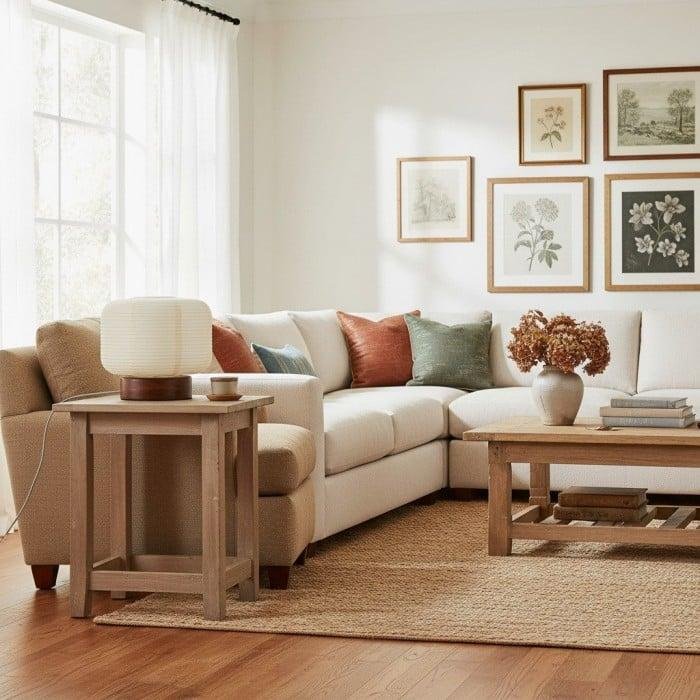
How to Make a Living Room Look Cozy Without Spending Much
A cozy living room does not require expensive furniture, designer accessories or a complete makeover. Often, the biggest improvements come from small changes: adjusting the lighting, rearranging furniture, adding soft textures and making better use of things you already own.
If your living room feels plain, cold or unfinished, you can transform its atmosphere without stretching your budget. The goal is to create a space that feels comfortable, welcoming and personal—not to fill every corner with new decorations.
These budget-friendly living room decorating ideas will help you make your home feel warmer and more inviting while keeping spending under control.
1. Rearrange Your Existing Furniture

Before buying anything, look at how your furniture is arranged. A room can feel uncomfortable simply because the sofa blocks a walkway, the chairs are too far apart or the seating area lacks a clear focal point.
Rearranging your existing furniture costs nothing and can make the room feel more organised.
Create a Comfortable Seating Area
Position the sofa and chairs so people can talk comfortably without shouting across the room. A coffee table or small side table can connect the seating arrangement and provide a convenient place for drinks, books or a lamp.
Keep the main walking routes clear, especially near doors and entrances.
Try a Different Furniture Arrangement
Experiment with moving the sofa towards a window, placing a chair in an unused corner or shifting a side table closer to the seating area.
You do not need to push every piece against a wall. The best arrangement depends on the room’s shape, the location of windows and doors, and how you use the space.
Budget tip: Take a photograph before rearranging the room. Compare it with a photograph of the new layout to see whether the space feels more balanced.
2. Use Warm Lighting to Create a Cozy Atmosphere

Lighting is one of the most effective ways to change the mood of a living room without spending much. A single bright ceiling light can make an otherwise comfortable room feel stark, particularly in the evening.
Instead, combine your existing ceiling light with a table lamp or another suitable light source.
Add a Table Lamp
A lamp beside the sofa creates a comfortable pool of light for reading, relaxing or chatting. You may already have a suitable lamp in a bedroom or another part of your home that you can move into the living room.
If you need to buy one, look for a simple design that complements your existing furniture rather than an expensive statement piece.
Choose Warm-White Bulbs
Warm-white lighting can give a room a softer, more relaxed appearance. Check the bulb’s colour-temperature information when shopping; a rating around 2700K is a common choice for cozy residential lighting.
Make sure the bulb is compatible with the fixture and provides enough light for the activity. A reading corner may need brighter task lighting than a decorative side table.
Make Use of Daylight
During the day, open curtains and blinds when privacy allows. Clean windows and keep bulky objects away from the main source of daylight where practical.
You do not need to purchase new window treatments if your existing ones already let in enough light.
3. Refresh Your Sofa With Affordable Cushions and Throws

Your sofa is often the visual centre of a living room, so small changes to its appearance can affect the entire space.
Cushions and throws add softness, colour and texture without requiring a new sofa.
Mix Textures for a Richer Look
Combine a few different materials, such as cotton, linen-look fabric, knitted textiles and velvet-like upholstery. The contrast makes a plain sofa more interesting.
For example, a beige sofa could feature:
- Two cream or oatmeal cushions.
- One muted green or rust-coloured cushion.
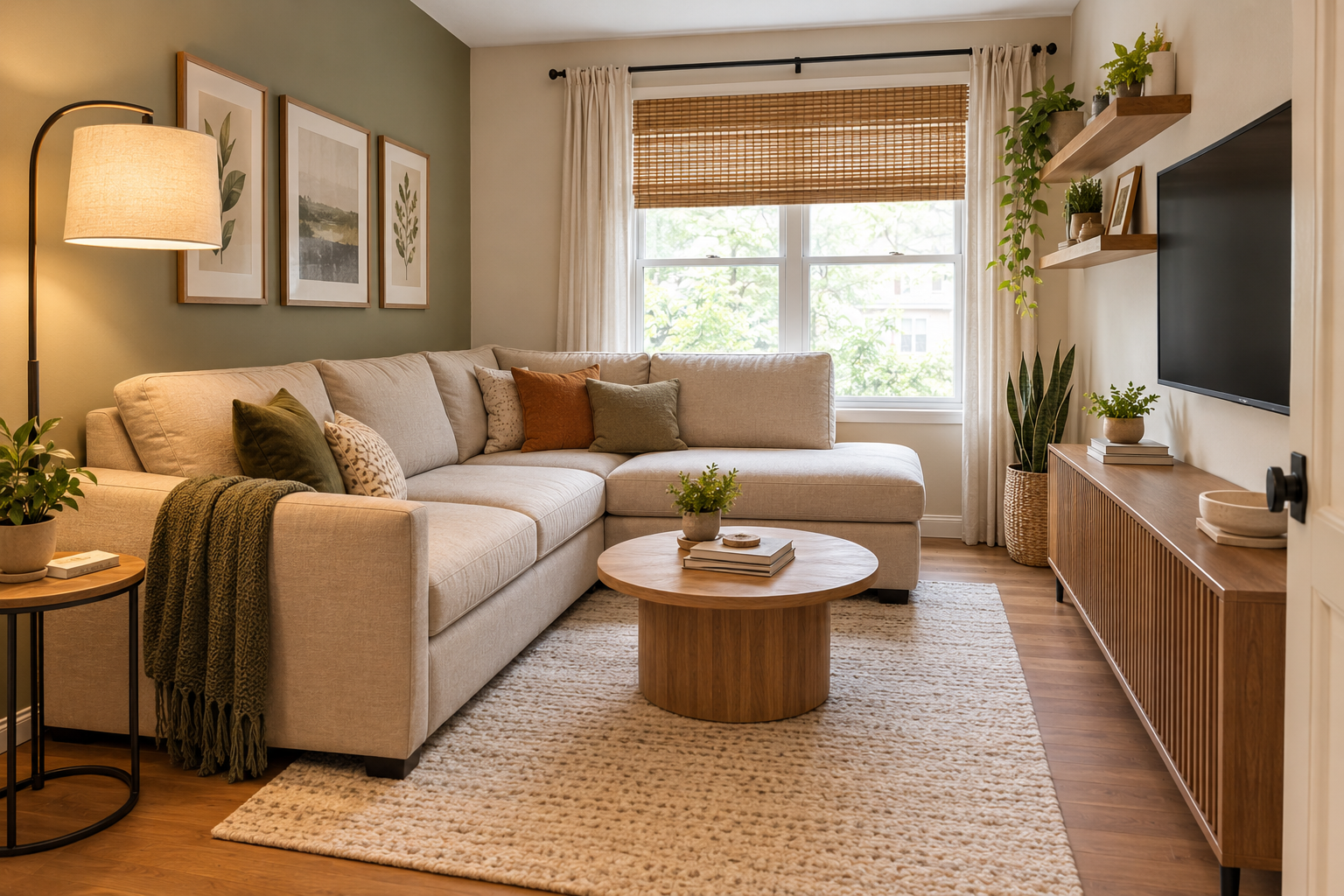
- A soft, knitted throw draped over one arm.
This is only a starting point. Use colours that complement your existing curtains, rug and furniture.
Reuse What You Already Have
Before buying new accessories, check your bedrooms, storage baskets and cupboards. A blanket from another room or cushion covers you have not used recently may work well in the living room.
You can also change cushion covers rather than replacing the entire cushion, provided the inserts remain in good condition.
What to avoid: Buying a large collection of cushions simply because they look attractive individually. Too many can make the sofa uncomfortable and increase visual clutter.
4. Declutter Surfaces to Make the Room Feel More Relaxing

A room does not need more decorations to feel cozy. Sometimes it needs fewer distractions.
Papers, cables, unused objects and random accessories can make a living room feel busy even when the furniture is attractive.
Clear One Area at a Time
Start with the coffee table, then move to side tables, shelves and the television unit.
Sort the items into three groups:
- Things you use regularly.
- Things you want to keep but do not need every day.
- Things you no longer need in the living room.
Put everyday essentials within easy reach. Move occasional-use items into suitable storage and remove anything that no longer serves a purpose.
Style Your Coffee Table Simply
A small tray can group a few objects together and make the table look organised. Try a book, a small plant and a decorative bowl or vase.
Leave enough clear space for drinks and other everyday activities. The table should remain practical rather than becoming a display surface that cannot be used.
5. Add Affordable Decor From Thrift Stores and Second-Hand Shops
You do not have to buy everything new to create a beautiful living room. Second-hand shops, local resale markets and community listings can be useful places to find distinctive accessories at affordable prices.
Look for items that solve a specific decorating problem rather than buying objects simply because they are inexpensive.
What Is Worth Buying Second-Hand?
Consider searching for:
- Wooden side tables and small cabinets.
- Picture frames and decorative mirrors.
- Ceramic vases and bowls.
- Books for a coffee table or bookshelf.
- Small lamps in good working condition.
- Baskets for blankets and everyday belongings.
Inspect furniture for stability, damage, odours and signs of pests. Check that lamps and other electrical items are safe and suitable for use.
Refresh What You Find
A wooden side table may only need cleaning and a simple styling update. A plain picture frame can be reused for artwork you print yourself, subject to the image’s usage rights.
Avoid spending more on repairs or supplies than the finished item is worth to you.
6. Bring in Natural Elements

Natural materials can help a living room feel relaxed and welcoming. Wood, woven fibres, cotton, linen and greenery introduce visual variety without requiring a complete redesign.
Decorate With Plants You Can Maintain
A small indoor plant on a side table or windowsill can add colour and life. If you already own plants, try moving one to a spot where its light requirements are met and where it will not obstruct movement.
Choose plants according to your room’s conditions and your ability to care for them. If natural light is limited, nature-inspired artwork or a good-quality artificial plant can provide a similar decorative effect.
Reuse Baskets and Wooden Accessories
A woven basket can store blankets, magazines or children’s toys while adding texture. A wooden tray or bowl can also make a simple coffee table feel more finished.
Use what you already own before purchasing new storage accessories.
7. Use Colour to Make the Room Feel Warm

Colour influences the atmosphere of a living room. Warm neutrals, earthy shades and muted accent colours can create a comfortable setting without requiring expensive furniture.
Try a Simple Colour Palette
Choose one main colour, one supporting shade and one accent colour.
| Colour combination | Overall effect | Affordable way to use it |
|---|---|---|
| Cream, beige and wood | Soft and natural | Use existing neutral textiles and wooden furniture |
| Warm white, olive green and tan | Calm and earthy | Add green cushions or a plant |
| Beige, terracotta and cream | Warm and welcoming | Introduce a rust-coloured throw |
| Soft grey, cream and dusty blue | Gentle and understated | Reuse blue accessories or framed artwork |
These combinations are starting points, not strict rules. Your wall colour, natural light and existing furniture should guide the final choice.
Introduce Colour Without Repainting
If your budget is limited, update cushion covers, throws, artwork or small decorative objects first.
Painting an entire room can be worthwhile, but it is not necessary to create a cozy atmosphere. If you rent, check your agreement before making permanent changes.
8. Make Your Walls Feel Personal With Inexpensive Artwork

Bare walls can make a room feel unfinished, but filling every wall with decorations is not the answer.
A few carefully chosen pictures can add personality and help connect the room’s colours.
Create a Small Gallery Wall
Use existing photographs, personal illustrations, postcards or artwork you have permission to print. Arrange the pieces on the floor before hanging them so you can experiment with spacing.
Matching frames create a coordinated appearance, but a mixture of frame styles can also work when the overall arrangement feels intentional.
Try Rental-Friendly Options
If you cannot drill into the walls, consider suitable removable hanging strips or lightweight frames placed on a stable shelf.
Always check the product’s weight limits, wall-surface compatibility and removal instructions. No adhesive method is guaranteed to work on every surface.
9. Make the Room More Comfortable With a Rug

An area rug can make a living room feel softer underfoot and visually connect the seating area.
If you already have a rug, try repositioning it so that it relates more closely to the sofa and chairs. A rug that is disconnected from the furniture may make the layout feel less cohesive.
If you decide to buy one, prioritise a practical size, a texture you enjoy and a colour that works with your existing furnishings.
For a limited budget, a washable rug or a durable second-hand option in good condition may be worth considering.
Make sure the rug lies securely on the floor. An appropriate non-slip underlay can help reduce the risk of slipping or tripping.
10. Use Curtains to Soften the Space

Curtains can soften the lines of a room and make the window area feel more finished.
You may not need to replace your current curtains. Washing them according to their care instructions, rehanging them evenly or improving how they fall can refresh their appearance.
If you need new curtains, consider plain, affordable fabric in a shade that complements your walls and furniture.
Lightweight curtains are useful when you want daylight to pass through, while lined curtains may be more suitable when privacy or light control is a priority.
For a cohesive look, repeat a colour from the curtains in one or two cushions or another small accessory.
11. Create a Cozy Living Room in a Rental Home

Renters can make a living room feel personal without making permanent alterations.
Focus on furniture, textiles, lighting and decorative items that can move with you when you change homes.
Useful options include:
- Freestanding table and floor lamps.
- Removable cushion covers and throws.
- Rugs that cover unattractive flooring.
- Freestanding bookcases and side tables.
- Framed artwork placed on shelves.
- Indoor plants and decorative baskets.
- Removable wall accessories approved for the surface.
Avoid drilling, repainting or changing fixtures without checking your rental agreement and obtaining permission where required.
The advantage of this approach is that you can improve the room gradually and take most of your decorating choices with you.
12. Common Budget Decorating Mistakes to Avoid
Small purchases can add up quickly if you do not have a clear plan. Avoid these common mistakes when trying to make your living room cozier.
| Mistake | Why it can be a problem | Better approach |
|---|---|---|
| Buying lots of small decorations | Surfaces become crowded and spending increases | Choose a few items that complement each other |
| Replacing furniture too soon | Existing pieces may already be suitable | Try rearranging and refreshing furniture first |
| Using only overhead lighting | The room may feel harsh in the evening | Add a lamp where it improves comfort |
| Choosing accessories without a colour plan | Items may clash with existing furnishings | Repeat two or three complementary colours |
| Buying cheap items you do not need | Low prices can still lead to wasted money | Make a list of actual decorating priorities |
| Ignoring comfort | A stylish room may be impractical for everyday life | Prioritise comfortable seating and clear walkways |
| Filling every empty corner | The room can feel crowded | Leave some open space around furniture |
The best budget makeover is not necessarily the one with the most changes. It is the one that solves the problems you notice every day.
13. A Simple One-Weekend Cozy Living Room Makeover
You can make a meaningful start without buying anything. Use this checklist to organise your efforts.
Weekend makeover checklist
0 of 6
Clear unnecessary clutter
Remove unused objects from the coffee table, shelves and sofa.
Rearrange the furniture
Create a comfortable seating area and keep the main walking routes clear.
Refresh soft furnishings
Wash existing cushion covers and throws, following their care labels.
Improve the lighting
Open curtains during the day and position an existing lamp for evening use.
Style one focal point
Arrange a few books, a plant or personal photographs in one area.
Set a spending limit
Write down any remaining needs before shopping for accessories.
Reset checklist
You can spread these tasks across a few days if that is more convenient. The important thing is to work from the biggest practical improvements to the smallest decorative details.
Frequently Asked Questions
1. How can I make my living room look cozy without buying new furniture?
Start by rearranging your existing furniture, clearing clutter and improving the lighting. Wash or reuse cushion covers and blankets, display a few personal items and move accessories from other rooms where appropriate. These simple changes can refresh the space without requiring new furniture.
2. What is the cheapest way to make a living room feel cozy?
Decluttering and rearranging furniture are excellent starting points because they cost nothing. After that, try using a blanket you already own, adding a lamp, displaying personal photographs or bringing an existing plant into the room.
3. Which colours make a living room feel warm and inviting?
Cream, warm white, beige, terracotta, olive green and natural wood tones are useful choices. You can combine neutral walls with a few richer accents to create warmth without overwhelming the room. Your existing furniture and natural light should guide your final palette.
4. How can I make my living room look expensive on a small budget?
Focus on cleanliness, coordination and thoughtful arrangement rather than expensive products. Keep surfaces organised, use a consistent colour palette, arrange cushions neatly and choose a few attractive accessories. Second-hand furniture and simple framed artwork can also add character without the cost of designer decor.
5. How do I make a small living room cozy without making it look cluttered?
Choose furniture that fits the room, keep walkways clear and limit decorations to a few meaningful pieces. Use soft textiles for comfort, add appropriate lighting and take advantage of vertical storage. Leave some surfaces and wall areas relatively clear so the room feels balanced.
6. How can I make a rental living room cozy without damaging the walls?
Use removable textiles, freestanding lamps, rugs, plants, cushions and furniture you can take with you. Display lightweight artwork on shelves or use wall-hanging products suitable for your particular surface. Check your rental agreement before making permanent changes.
Conclusion
Learning how to make a living room look cozy without spending much starts with making better use of what you already have. Rearrange your furniture, improve your lighting, refresh your soft furnishings and remove the clutter that makes the room feel busy.
If you decide to spend money, prioritise items that solve a real problem, such as a comfortable throw, a useful lamp or a second-hand side table.
You do not need to follow every decorating trend or replace everything at once. A few thoughtful changes can make your living room feel more comfortable, personal and welcoming while keeping your budget under control.

Leave a Reply