

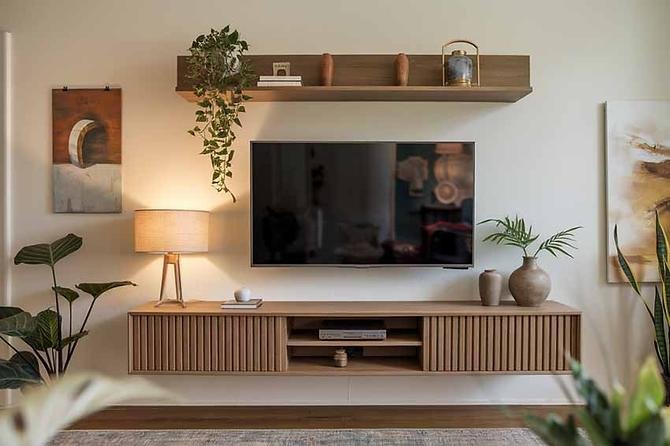
Living Room Wall Decor Ideas for a Stylish Home
Living room walls can do much more than hold a television or a single picture. With the right artwork, mirrors, shelves and colours, they can give your home personality, create visual balance and make the entire space feel more finished.
The best living room wall decor ideas do not necessarily require expensive artwork or professional installation. You can create an attractive display using affordable prints, photographs, objects you already own and a few carefully chosen accessories.
Whether you have a small apartment, a large empty wall or a living room that feels plain, the key is to choose decorations that complement your furniture, suit your available space and reflect your personal taste.
1. Create a Gallery Wall With Framed Artwork

A gallery wall is a collection of pictures, prints or photographs arranged together to create a focal point. It works particularly well above a sofa, along a staircase wall that opens into the living room, or on a large empty wall that needs visual interest.
The advantage of a gallery wall is its flexibility. You can make it symmetrical and formal or mix different frame sizes for a more relaxed look.
How to Arrange a Gallery Wall
Start by choosing the artwork you want to display. Family photographs, botanical prints, abstract illustrations and personal travel photographs can all work well together.
Follow these steps:
- Choose a colour theme. Pick two or three colours that complement your sofa, curtains or rug.
- Select a frame style. Matching frames create a consistent appearance, while mixed frames can give the display more character.
- Plan the arrangement. Place the frames on the floor first or use paper templates on the wall to test the layout.
- Keep the spacing consistent. Even gaps between frames help the arrangement look intentional.
- Check the overall proportions. The gallery should relate to the furniture beneath it rather than appearing too small or excessively wide.
For a practical starting point, centre the arrangement over the sofa and leave a comfortable gap between the top of the furniture and the bottom of the frames.
Budget-Friendly Gallery Wall Ideas
You do not need expensive original artwork. Consider personal photographs, your own illustrations, affordable prints or second-hand frames.
If you print artwork yourself, use images you created or have permission to reproduce. This allows you to personalise the wall while respecting copyright.
2. Hang a Large Statement Piece Above the Sofa

If you prefer a simple decorating style, one large artwork can be more effective than a collection of smaller pictures.
A statement piece creates a clear focal point and can make a plain wall feel deliberate without requiring numerous accessories.
Choose Artwork That Suits the Room
Consider the mood you want to create:
- Abstract artwork: Useful for adding colour and a contemporary feel.
- Landscape paintings: Can introduce a natural, peaceful atmosphere.
- Botanical prints: Work well with greenery and natural materials.
- Black-and-white photography: Creates contrast in both modern and traditional interiors.
- Textured canvas art: Adds visual interest without relying on a complicated colour scheme.
Get the Scale Right
Artwork should relate to the furniture and the wall around it.
A tiny picture above a wide sofa may look disconnected, while an oversized piece can overwhelm a narrow wall. Measure the available space before purchasing artwork.
If you are uncertain, use paper cutouts to test different sizes before hanging anything permanently.
3. Use Mirrors to Add Light and Visual Depth

Mirrors combine decoration with practical benefits. They reflect light and parts of the room, helping some spaces feel brighter or more open.
They are especially useful in living rooms with limited natural light, narrow layouts or plain walls that need a focal point.
Where Should You Place a Living Room Mirror?
Consider these locations:
- Above a console table or sideboard.
- Near a window where the mirror can reflect daylight.
- On a narrow wall that needs a decorative feature.
- Above a fireplace, provided the placement and fixing method are suitable.
- Near an attractive plant or artwork that you want to reflect.
Think carefully about what the mirror will reflect. A view of a window, an attractive piece of furniture or a pleasant section of the room is usually more appealing than a cluttered corner.
Choose a Mirror Shape That Complements Your Furniture
Round mirrors can soften rooms with many straight lines, while rectangular mirrors may complement modern furniture and symmetrical arrangements.
Arched mirrors can introduce a softer architectural shape without changing the room itself.
Use secure fixings suitable for the mirror’s weight and your wall type. A large mirror should be mounted carefully rather than relying on an unsuitable adhesive.
4. Install Floating Shelves for Decor and Storage

Floating shelves provide a practical way to decorate vertical space while displaying items you enjoy.
They can be useful in small living rooms where floor space is limited or in larger rooms where an empty wall needs more visual interest.
What Should You Display on Floating Shelves?
A balanced shelf arrangement might include:
- A few books stacked horizontally or vertically.
- One or two small plants.
- A ceramic vase or decorative bowl.
- A framed photograph or small print.
- A meaningful souvenir or handmade object.
Vary the heights and shapes of the objects so that the arrangement feels natural. Leave some open space rather than filling every inch of the shelf.
How to Keep Shelves Looking Stylish
Repeat a few colours or materials across the display. For example, timber shelves, cream ceramics and green plants can create a coordinated appearance.
Avoid placing too many small objects together. If the wall already has a gallery display, simpler shelves may provide a better balance.
Check the shelf’s weight capacity and use wall fixings appropriate for the wall construction. Heavy books and fragile objects require particular care.
5. Try an Accent Wall for a Strong Visual Change

An accent wall uses a different colour, finish or decorative treatment to distinguish one wall from the rest of the room.
It can be a useful option when you want a noticeable change without decorating the entire living room.
Choose the Right Wall
The wall behind the main sofa is often a natural choice because it provides a clear background for artwork and furniture.
Other possibilities include the wall behind a television or a wall that already acts as the room’s focal point.
Avoid selecting a wall simply because it is empty. Consider the room’s layout, lighting and the features you want people to notice.
Colour Ideas for an Accent Wall
| Accent colour | General effect | Colours that can complement it |
|---|---|---|
| Sage green | Soft and natural | Cream, beige and light wood |
| Deep navy | Rich and dramatic | White, warm grey and brass accents |
| Terracotta | Earthy and welcoming | Cream, tan and muted green |
| Charcoal grey | Contemporary and understated | White, natural wood and soft neutrals |
| Dusty blue | Calm and gentle | Beige, white and pale timber |
These are starting points rather than fixed rules. Test a paint sample in the room’s actual lighting before committing to a colour.
If you rent, check your agreement before painting or installing a permanent wall treatment.
6. Decorate With Wall-Mounted Plants

Plants bring colour and natural texture into a living room. Wall-mounted planters can help you introduce greenery without using additional floor space.
They can work especially well near a window or alongside botanical artwork.
Choose Suitable Plants
Select plants according to the light, humidity and care conditions in your living room. Trailing plants may suit shelves or hanging planters, while compact plants can fit smaller wall displays.
If the room receives little natural light, consider a suitable artificial plant or botanical prints instead.
Combine Plants With Other Wall Decorations
A small wall planter can complement a gallery wall or floating shelf. However, leave enough space between the elements so the arrangement does not feel overcrowded.
Use secure mounts and suitable containers. Keep water away from electrical equipment, and make sure the installation can support the combined weight of the planter, plant and moist growing medium.
7. Add Texture With Wall Hangings

Wall hangings introduce texture and softness that framed pictures may not provide. They can be especially effective in rooms with plain walls, wooden furniture and neutral upholstery.
Options include woven textiles, macrame, fabric panels and decorative tapestries.
Choose a Material That Suits Your Style
- Woven wall hangings: Add texture and a relaxed, natural feel.
- Fabric panels: Can introduce colour or pattern without a rigid frame.
- Macrame designs: Work well in bohemian and casual interiors.
- Textile art: Can create a distinctive focal point in a minimalist room.
A single large textile can make more of an impact than several smaller pieces competing for attention.
Check the item’s care requirements and hang it away from heat sources. Secure the hanging hardware appropriately, particularly for heavier textiles.
8. Use Wall Sconces to Combine Lighting and Decoration

Wall sconces add visual interest while providing light where it is needed. They can frame artwork, illuminate a reading corner or create a more balanced appearance on either side of a mirror.
Choose the Right Lighting Style
Simple metal sconces may suit contemporary interiors, while fabric shades and traditional finishes can complement more classic rooms.
For a cozy living room, warm-white lighting is often a comfortable choice. Consider the light’s direction and brightness so that it does not create distracting glare.
Consider Installation Requirements
Hardwired wall lights may require professional electrical work. If you do not want to modify the wiring, suitable plug-in wall lights can provide an alternative where a safe outlet and cable arrangement are available.
Keep cords secured and away from walkways. Check the manufacturer’s installation instructions and any relevant rental restrictions before making changes.
9. Decorate Around the Television
The television often occupies a prominent position in the living room, but the surrounding wall does not have to look empty or unfinished.
The aim is to integrate the television with the room rather than allowing it to dominate every decorative decision.
Keep the Arrangement Balanced
A simple media console can anchor the screen visually. A few shelves, framed prints or plants may help connect the television area with the rest of the room.
Avoid filling every available space with decorations. The television itself is already a strong visual element.
Manage Visible Cables
Cable management can make the wall look much neater. Use suitable cable covers or other approved solutions, following the equipment manufacturer’s instructions.
Do not run electrical cables inside walls or alter electrical installations unless the method complies with applicable requirements. If you are unsure, consult a qualified professional.
Consider Viewing Comfort
Position the screen according to the room layout and your usual seating position. Decorative elements should not interfere with comfortable viewing or access to the equipment.
10. Use Wallpaper for Pattern and Personality
Wallpaper can transform a plain wall by adding colour, pattern and visual depth. It is available in many styles, from delicate botanical designs to bold geometric prints.
Choose a Pattern That Fits the Room
Small-scale patterns can provide subtle interest, while larger patterns create a stronger statement.
If the sofa, rug and curtains already feature prominent patterns, a quieter wallpaper may create a better balance. In a simple room, a more expressive design can provide a focal point.
Consider Removable Wallpaper
Removable wallpaper may be suitable for some rental properties and temporary decorating projects. However, compatibility depends on the product, wall finish and condition.
Test a small area where permitted, follow the manufacturer’s instructions and check your rental agreement before installation.
Wallpaper can also require careful surface preparation, so factor in installation materials and time when comparing its cost with paint or framed artwork.
11. Try Minimalist Wall Decor for a Clean, Modern Look

Minimalist wall decor focuses on a small number of carefully selected pieces rather than filling the entire wall.
This approach can work particularly well in compact living rooms, rooms with patterned furniture or interiors where simplicity is a priority.
Focus on One or Two Strong Elements
Choose one large artwork, a sculptural mirror or a small arrangement of coordinated prints.
Allow space around the decoration so that its shape and colour remain visible. Empty wall space is not necessarily wasted space; it can help important features stand out.
Repeat Existing Materials
A wooden frame can complement a timber coffee table, while black frames may connect with dark furniture details or lighting fixtures.
Repeating materials subtly creates consistency without making every accessory match exactly.
12. Decorate a Small Living Room Wall Without Overcrowding It

Small living rooms benefit from wall decorations that are proportional to the available space and the furniture.
The goal is not to avoid decoration altogether. It is to choose pieces that add interest without making the room feel busy.
Use a Focused Arrangement
A small gallery wall, a medium-sized mirror or two floating shelves may be enough to create a finished appearance.
If you have a narrow wall, consider a vertical arrangement of frames or a tall print. This can draw the eye upward without using much horizontal space.
Leave Room Between Decorative Elements
Avoid placing shelves, mirrors, artwork and wall hangings so close together that they compete for attention.
Choose one primary feature and let smaller items support it.
Keep Furniture and Wall Decor Connected
The artwork should relate to the furniture beneath it. For example, a compact print above a narrow console can look balanced, while a tiny picture above a large sofa may appear lost.
Measure the wall and furniture before buying decorative items.
13. Decorate a Large Empty Living Room Wall

Large empty walls can be challenging because small decorations may appear insignificant when viewed across the room.
Instead of buying dozens of accessories, think about how to create a clear visual arrangement.
Consider These Options
- One oversized artwork or canvas.
- A large gallery wall with a planned layout.
- A combination of artwork and floating shelves.
- A substantial decorative mirror.
- A carefully designed accent wall.
- A balanced arrangement of framed prints and wall lighting.
You can also divide a long wall into functional visual sections. For example, one area might contain artwork above the sofa while another features a narrow bookcase or a reading corner.
The key is to maintain a clear relationship between the wall, the furniture and the rest of the room.
14. Create Stylish Wall Decor on a Budget

Attractive wall decoration does not depend on the price of individual objects. A coordinated arrangement of inexpensive items can look more considered than a collection of costly pieces without a clear theme.
Try These Affordable Ideas
Reuse frames you already own. Refresh the arrangement or replace outdated prints with images that better suit the room.
Create your own artwork. Simple abstract designs, personal photographs and original illustrations can be displayed in inexpensive frames.
Shop second-hand. Look for mirrors, frames and wall art in good condition. Check the quality and suitability of the mounting hardware before installation.
Use existing objects. A decorative plate, a meaningful textile or a handmade item may become an attractive focal point when displayed appropriately.
Plan before shopping. Identify the wall you want to decorate and decide on a colour scheme before purchasing anything.
Compare Your Options Before Spending
| Wall decor option | Relative budget | Main advantage | Consideration |
|---|---|---|---|
| Personal photographs | Low | Personal and easy to update | Requires thoughtful framing |
| Affordable art prints | Low to moderate | Wide range of styles | Printing and framing add to the cost |
| Second-hand mirror | Low to moderate | Reflects light and adds depth | Check condition and mounting requirements |
| Floating shelves | Moderate | Combines display with storage | Needs suitable installation |
| Accent paint | Low to moderate | Changes the wall’s appearance substantially | Requires preparation and permission where applicable |
| Removable wallpaper | Moderate | Adds pattern without permanent wallpaper in suitable settings | Wall compatibility varies |
These are general budget categories rather than fixed prices. Costs vary by location, materials, size and installation requirements.
15. Common Wall Decorating Mistakes to Avoid
Even attractive decorations can look out of place if their scale, position or arrangement does not suit the room.
| Mistake | Why it can be a problem | Better approach |
|---|---|---|
| Hanging artwork too high | It can feel disconnected from the furniture | Position it in relation to the sofa or console beneath it |
| Choosing artwork that is too small | It may look lost on a large wall | Measure the space and consider a larger piece or grouped arrangement |
| Mixing too many unrelated styles | The wall may look visually inconsistent | Repeat a few colours, frame finishes or materials |
| Filling every empty space | The display can feel crowded | Leave intentional gaps around key pieces |
| Ignoring the furniture below | The artwork may appear unbalanced | Consider the width and visual weight of the furniture |
| Installing shelves without planning | The display may obstruct movement or look awkward | Mark positions before drilling |
| Choosing decor without considering lighting | Colours and details may appear different than expected | Review samples and artwork in the room’s actual light |
| Using unsuitable wall fixings | Decorations may become loose or fall | Match fixings to the wall type and item weight |
Before installing anything, consider both appearance and practicality. Heavy mirrors, shelves and wall-mounted equipment need appropriate support.
16. A Step-by-Step Plan for Decorating Your Living Room Walls
If you are starting with a blank wall, follow this simple process to avoid unnecessary purchases.
Your wall decor planning checklist
0 of 6 steps completed
Measure the wall
Record the wall width, height and dimensions of nearby furniture.
Choose the main feature
Decide whether the wall needs artwork, a mirror, shelves or a paint treatment.
Select a colour palette
Choose colours that complement your existing sofa, rug and curtains.
Test the arrangement
Use paper templates or arrange items on the floor before mounting them.
Check installation requirements
Confirm wall type, item weight, fixing suitability and rental restrictions.
Add finishing touches
Introduce only a few supporting objects and leave space around the main feature.
Reset checklist
Working through these steps helps you choose decorations with a clear purpose rather than buying items that may not suit the finished room.
Frequently Asked Questions
1. What are the best living room wall decor ideas for a modern home?
Gallery walls, oversized abstract artwork, decorative mirrors, floating shelves and simple accent walls are versatile options. Choose a style that complements your furniture, colour scheme and room size rather than trying to use every decorating trend.
2. What should I put on the wall above my sofa?
A large framed print, a coordinated gallery wall, a decorative mirror or a textile wall hanging can work well above a sofa. Consider the sofa’s width, the available wall space and the height of the ceiling when choosing the arrangement.
3. How can I decorate my living room walls on a budget?
Reuse existing frames, display personal photographs, create original artwork, shop second-hand and rearrange decorations you already own. Choose one main focal point and build the arrangement around it instead of buying many unrelated accessories.
4. How do I decorate a large empty living room wall?
Consider oversized artwork, a large gallery wall, floating shelves or an accent treatment. Measure the wall first and select an arrangement that relates to the furniture below it. Several coordinated pieces can work better than many small decorations scattered randomly.
5. How can I decorate a small living room wall without making the room look crowded?
Use a limited number of appropriately sized decorations. A mirror, a single statement print or a compact gallery wall can provide visual interest without overwhelming the room. Leave open space around the arrangement and avoid excessive layering.
6. What wall decor is best for a rental apartment?
Freestanding shelves, artwork displayed on furniture, lightweight framed prints and suitable removable hanging systems are useful options. Check the product instructions, wall-surface compatibility and rental agreement before attaching anything to the walls.
Conclusion
The best living room wall decor ideas combine personal style with thoughtful planning. Whether you choose framed artwork, mirrors, floating shelves, plants or an accent wall, each element should complement the room rather than compete with everything else.
Start by identifying the wall that needs attention, measuring the available space and selecting one main feature. Then add a few supporting details that connect with your existing furniture and colours.
You do not need to decorate every wall or spend heavily to create a stylish home. A well-planned arrangement can make your living room feel more complete, personal and inviting while keeping your decorating budget manageable.

Leave a Reply