

15 Simple Ways to Create a Beautiful, Spacious Home
A small living room can be challenging to decorate when you need comfortable seating, storage, lighting, and space to move around. The wrong furniture arrangement can make the room feel cramped, while too many decorations can leave it looking busy. Fortunately, you can create a stylish and welcoming space without spending a fortune or renovating your home.
These small living room ideas focus on practical ways to make the most of limited space. From choosing the right sofa and using wall space to selecting colors and improving lighting, each suggestion can help you create a room that feels more organized, comfortable, and personal.
Whether you live in a small apartment, rent your home, or have a compact family living room, the best approach is to combine thoughtful furniture choices with simple decorating techniques that suit your lifestyle.
1. Choose Furniture That Fits Your Space
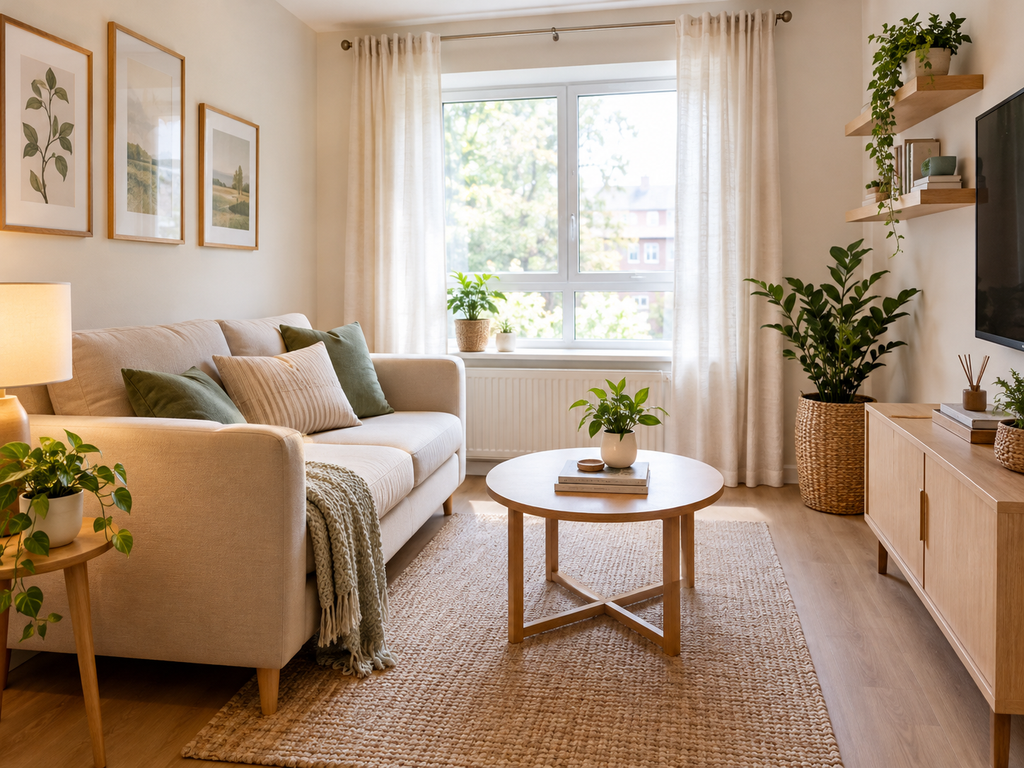
One of the most important small living room decorating ideas is to choose furniture that fits the room rather than trying to fit the room around your furniture.
Large sofas, deep armchairs, and oversized coffee tables can occupy valuable floor space. Instead, look for pieces that provide the comfort you need without blocking windows, doorways, or walking routes.
Consider these options:
- Compact sofas: A two-seater or apartment-sized sofa may provide enough seating for a smaller household.
- Slim side tables: These offer space for a lamp, drink, or book without taking up much room.
- Furniture with visible legs: Exposed legs allow more of the floor to remain visible, creating a lighter appearance.
- Small accent chairs: One well-positioned chair may be more practical than several bulky seats.
- Nesting tables: These can be separated when needed and tucked together afterward.
Before buying furniture, measure the room, doorways, and available walking areas. Also, check the dimensions of large items before arranging delivery.
2. Arrange Your Furniture for Better Movement
A good small living room furniture layout makes everyday activities easier and helps the room feel less crowded.
Start by deciding how you use the room. If watching television is your main activity, arrange the seating around it. If you prefer conversation, position the sofa and chairs so people can comfortably face one another.
Try this simple process:
- Identify the room’s main focal point.
- Position the sofa to suit that focal point.
- Place additional seating where it will not block movement.
- Keep the main route between doors and other frequently used areas clear.
- Check that windows, cabinets, and drawers can open comfortably.
In a rectangular living room, a sofa along a longer wall may preserve more floor space. In a square room, a compact sofa with one or two small chairs can create a balanced seating area.
Do not automatically push every piece against a wall. Depending on the room’s proportions, moving a chair slightly inward or leaving a little space behind a sofa may produce a more comfortable arrangement.
3. Use Light Colors to Create an Airy Look
Color can influence how spacious a room appears. Light shades often reflect available light, while a coordinated palette helps the walls, furniture, and accessories feel connected.
For small living room color schemes, consider these combinations:
- Warm white and beige: A soft, timeless look that pairs well with wooden furniture.
- Cream and sage green: A natural, relaxing combination.
- Pale gray and white: A clean, contemporary style.
- Soft blue and sand: A calm palette suited to coastal-inspired interiors.
- Greige and terracotta: A warm combination with subtle contrast.
You do not need to paint the entire room white. A darker accent wall, colorful cushions, or patterned artwork can add character without overwhelming the space.
For a simple decorating plan, select one main color, one supporting shade, and one or two accent colors. Repeat these colors in your rug, curtains, cushions, or artwork to create a cohesive appearance.
If you rent your home, use accessories to introduce color without making permanent changes. Paint samples should be tested in the room before committing to a full wall because natural and artificial lighting can affect how colors appear.
4. Make the Most of Natural Light
Natural light can make a compact living room feel brighter and more welcoming. Heavy curtains, crowded windowsills, and tall furniture positioned in front of windows can interfere with the amount of light entering the space.
Try lightweight curtains that provide the privacy you need while allowing daylight through. If the window arrangement permits, hanging curtains slightly higher than the window frame can create the impression of greater height.
Keep windowsills relatively uncluttered and choose curtain colors that complement the walls.
Mirrors can also help reflect available daylight. A mirror placed where it catches a bright window may bring more light into a darker part of the room. However, check what the mirror reflects before choosing its position.
These changes will not physically enlarge the room, but they can help create a more open visual effect.
5. Add Mirrors for a Sense of Depth
Mirrors are useful decorative accessories for small spaces because they reflect light and surrounding details.
A large rectangular mirror above a console table can work well in a narrow living room. A round mirror may soften the straight lines of a room with rectangular furniture.
For the best result, position the mirror to reflect a window, a pleasant view, or an attractive part of the room. Avoid placing it where it mainly reflects clutter.
If you live in a rented home, consider a freestanding mirror or another suitable option that does not require permanent wall changes. Heavy mirrors should be mounted according to the manufacturer’s instructions using suitable hardware.
6. Use Vertical Space for Storage
When floor space is limited, walls can provide valuable storage opportunities. The key is to use vertical space without covering every wall with shelves and decorations.
Some practical small living room storage ideas include:
- Floating shelves for selected books and decorative objects.
- Wall-mounted cabinets for everyday belongings.
- Tall, narrow bookcases where floor space is limited.
- Baskets for blankets, magazines, and small items.
- Storage ottomans for items you want nearby but out of sight.
A combination of open and closed storage usually works well. Open shelves can display attractive items, while closed cabinets hide objects that would otherwise make the room look untidy.
Keep frequently used items within easy reach and place less frequently used belongings in less accessible storage.
For rented homes, check whether drilling is allowed and ensure that wall-mounted furniture is installed appropriately for the wall type and intended load.
7. Choose Multifunctional Furniture
Furniture that serves more than one purpose can be especially helpful in compact homes.
A storage ottoman can act as a footrest, an extra seat, and a storage container. Nesting tables provide extra surfaces when guests arrive. A narrow console table may also function as a temporary workspace if its dimensions suit the task.
Other options include folding tables, compact sofa beds, and benches with storage compartments.
Before buying multifunctional furniture, consider how often you will use each feature. A sofa bed may be useful if guests regularly stay overnight, while a folding table may be more practical for a room that doubles as a dining area.
Always check the furniture’s dimensions in its extended position. Space-saving furniture still needs sufficient clearance to operate comfortably.
8. Layer Lighting for a Cozy Atmosphere
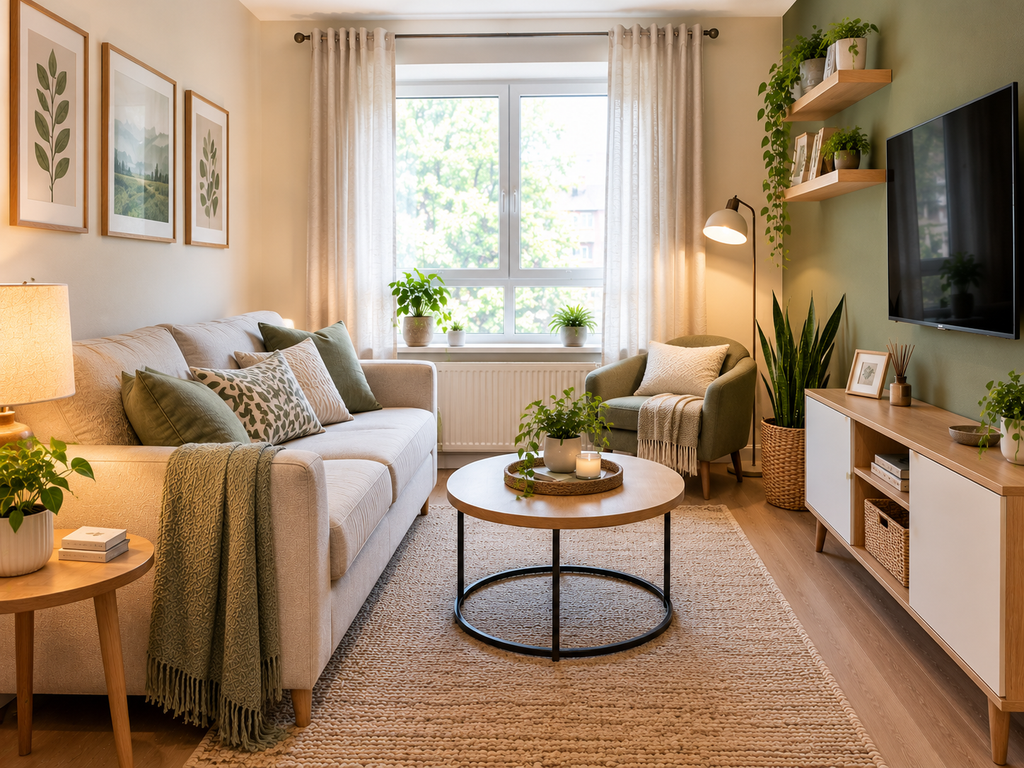
A single overhead light may not create the atmosphere you want for relaxing, reading, and entertaining. Combining different lighting sources makes a living room more flexible.
Consider these options:
- Ceiling lights for general illumination.
- Floor lamps beside a sofa or reading chair.
- Table lamps on side tables and consoles.
- Wall lights when table and floor space are limited.
- Adjustable lamps for reading or other focused activities.
Warm-toned bulbs can help create a relaxed evening atmosphere, while brighter, more neutral lighting may be useful for reading or working.
You do not need several lamps if the room is very small. Start with one suitable lamp and a main ceiling light, then decide whether additional lighting would serve a useful purpose.
Keep electrical cords away from walking routes and follow the manufacturer’s installation instructions.
9. Select a Rug That Suits the Room
A rug can visually connect the sofa, chairs, and coffee table, making the seating area feel more organized. It is particularly useful in open-plan homes where the living room shares space with a dining area.
Choose a rug that relates to the size of your furniture. A very small rug placed alone in the middle of a large seating arrangement may make the furniture appear disconnected.
Depending on the layout, placing the front legs of the sofa and chairs on the rug can help unify the arrangement.
Neutral rugs work well with colorful accessories, while subtle stripes or understated patterns add interest without dominating the room.
Consider how easy the rug will be to clean and whether a nonslip backing is suitable for your flooring. Make sure the rug does not obstruct doors or create a tripping hazard.
10. Decorate With Plants and Simple Accessories
Decorative accessories help make a living room feel personal, but too many small objects can make a compact room look cluttered.
Start with a few cushions, a comfortable throw, and artwork that complements your color scheme. For example, a cream sofa can be paired with sage green cushions, a textured neutral throw, and a small wooden side table.
Plants can introduce natural color and texture. Choose plants suited to the available light, and use a tabletop plant if there is little room for a large floor pot.
For artwork, one larger piece or a carefully arranged group of smaller frames can work well. Repeating a frame color or an accent shade helps the display feel intentional.
Leave some surfaces empty. A coffee table with a small tray, a book, and one decorative object may look more organized than a table covered with unrelated accessories.
11. Try Budget-Friendly Decorating Changes
You do not need to replace all your furniture to improve a living room. Some of the most effective small living room ideas on a budget involve rearranging and refreshing what you already own.
Try these steps:
- Remove items that do not belong in the room.
- Rearrange furniture to improve movement.
- Wash or refresh cushion covers.
- Reposition existing artwork and lamps.
- Organize cables and everyday belongings.
- Add one plant or useful accessory if needed.
If you can afford only one new item, identify the biggest problem first. A storage cabinet may help a cluttered room more than a decorative cushion, while a suitable lamp may be a better investment for a dark seating area.
Secondhand furniture can also be worth considering. Check its dimensions, condition, and stability before purchasing.
Avoid buying inexpensive decorations simply because they are on sale. Several unnecessary purchases can cost more than one carefully chosen item that improves the room’s function.
12. Create a Cozy Reading Corner
Even a small living room may have room for a dedicated reading corner if you choose the location carefully.
A compact armchair, a small side table, and a suitable reading lamp can create a comfortable area without requiring a separate room. If space is particularly limited, use one end of the sofa instead of adding another chair.
Position the seating where it receives suitable natural or artificial light. Keep books in a nearby basket or on a small shelf rather than stacking them across the floor.
Choose a cushion or throw that complements the rest of the living room so the corner feels connected to the overall design.
13. Make a Narrow Living Room Feel Balanced
Narrow rooms require particular attention to furniture depth and walking routes.
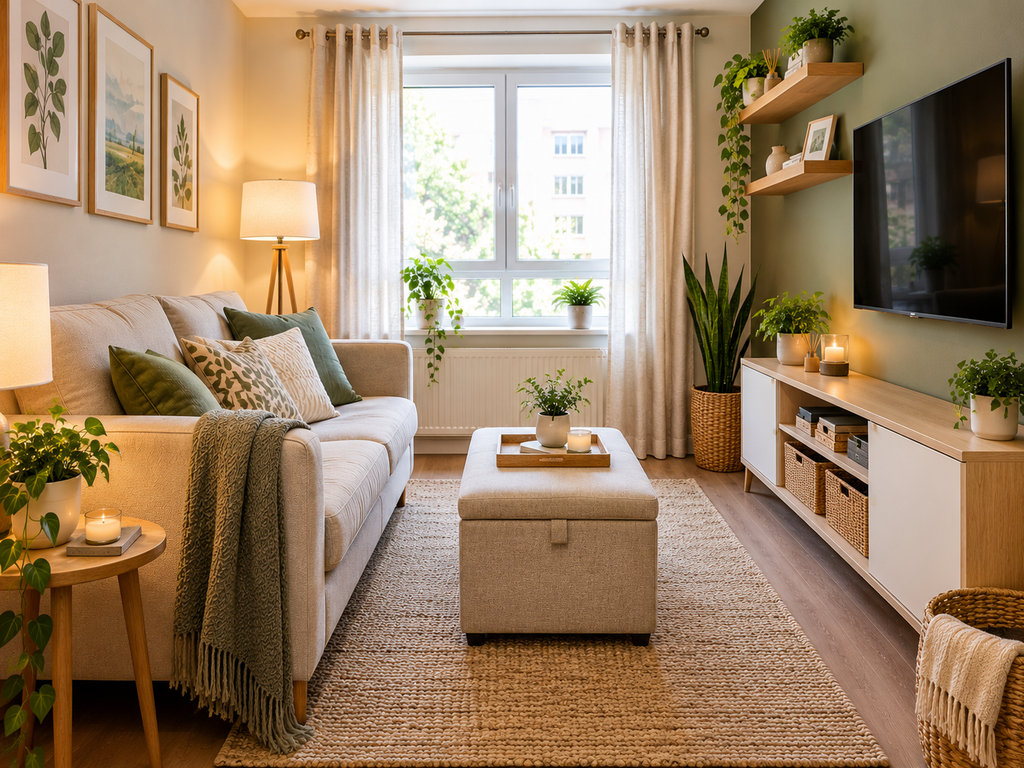
Avoid placing several deep pieces opposite one another if doing so leaves little space between them. A compact sofa paired with a slim side table may be more practical than a sofa, bulky armchair, and large coffee table.
A rectangular rug, coordinated wall colors, and a clear route through the room can help the layout feel more orderly.
If the television is part of the arrangement, consider a suitable wall-mounted option where permitted, or use a narrow media unit. Make sure the screen and furniture are positioned comfortably for viewing.
14. Keep an Open-Plan Living Room Organized
In a studio apartment or an open-plan home, the living room may share space with a dining table, work area, or bedroom.
Use furniture placement, lighting, or a rug to distinguish these areas without making the room feel divided into separate boxes.
For example, a sofa can help define the living area, while a small dining table sits nearby. A shelf may provide additional storage and a subtle boundary, provided it does not block light or movement.
Choose a consistent color palette across the shared space. Repeating a few colors and materials helps the different areas feel connected.
15. Avoid Common Decorating Mistakes
Even attractive decorating choices can become impractical when they do not suit the room.
Buying furniture without measuring: Check room dimensions, doorway widths, and walking routes before purchasing large pieces.
Using too many colors: Repeat a limited selection of shades to create a more coordinated appearance.
Overfilling shelves: Display a few meaningful objects rather than covering every available surface.
Ignoring vertical storage: Consider wall space when the floor is already occupied.
Relying on one light source: Add task lighting where it improves comfort and usability.
Choosing appearance over comfort: Make sure seating suits your needs and does not block movement.
Assuming white is the only suitable wall color: Warm neutrals, muted greens, pale blues, and darker accent shades can also work, depending on the room’s lighting and furnishings.
Frequently Asked Questions
How can I make a small living room look bigger?
Choose appropriately sized furniture, keep walking routes clear, reduce unnecessary clutter, and make good use of natural light. Mirrors, coordinated colors, and furniture with visible legs can also create a more open visual effect.
What sofa is best for a small living room?
Choose a sofa that fits your measurements, provides enough seating, and leaves room to move comfortably. Compact two-seaters and modest three-seaters are useful starting points. Check the sofa’s depth and delivery dimensions before buying.
Which colors work best in a small living room?
Warm white, beige, pale gray, sage green, and muted blue are useful options. The best choice depends on the available light, flooring, existing furniture, and your preferred atmosphere.
How can I decorate a small living room cheaply?
Start by rearranging furniture, removing clutter, refreshing cushion covers, and organizing storage. Reposition existing artwork and lamps before deciding whether you need to buy anything new.
Can a small living room have dark walls?
Yes. Dark colors can create an intimate and dramatic atmosphere. Balance them with suitable lighting, contrasting textiles, and a thoughtful layout. Test paint samples before committing to the entire room.
Conclusion
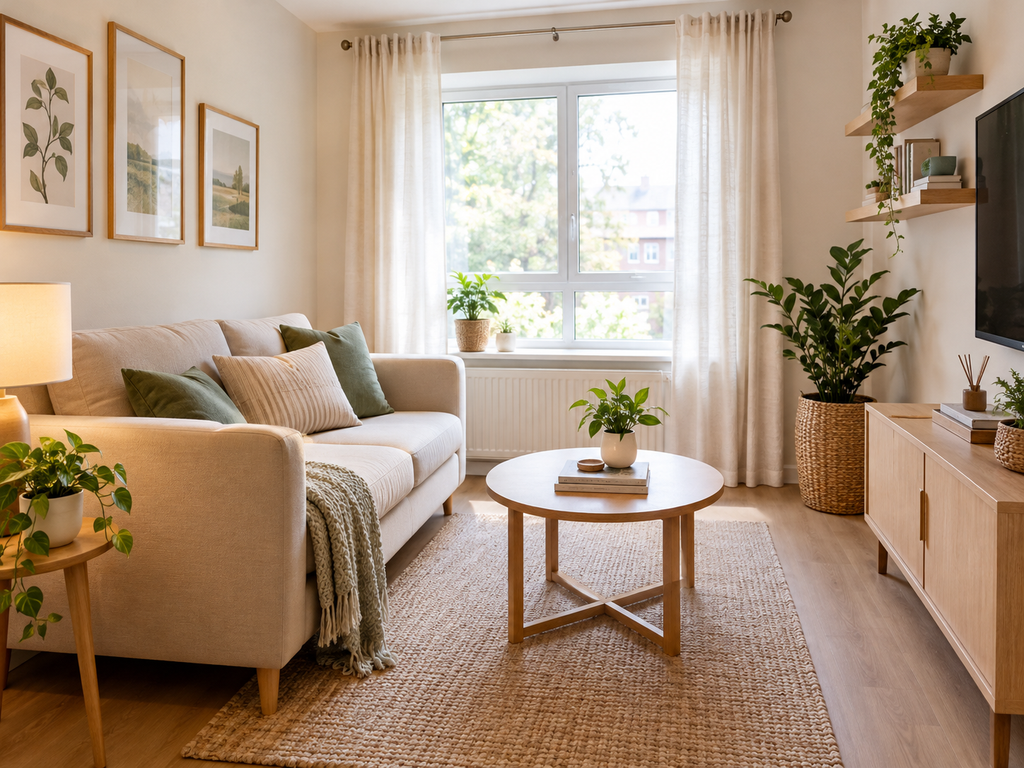
The best small living room ideas focus on making your space comfortable, practical, and personal. Start with furniture that fits, a layout that supports easy movement, useful storage, and lighting that suits your daily routine.
Once those essentials are in place, add colors, plants, textures, and artwork that reflect your taste. You do not need to follow every decorating trend or fill every corner with accessories.
A well-designed small living room is not about fitting as many things as possible into a limited area. It is about making thoughtful choices so that the space you have works better for the way you live.

Leave a Reply